The question in Havasu Creek
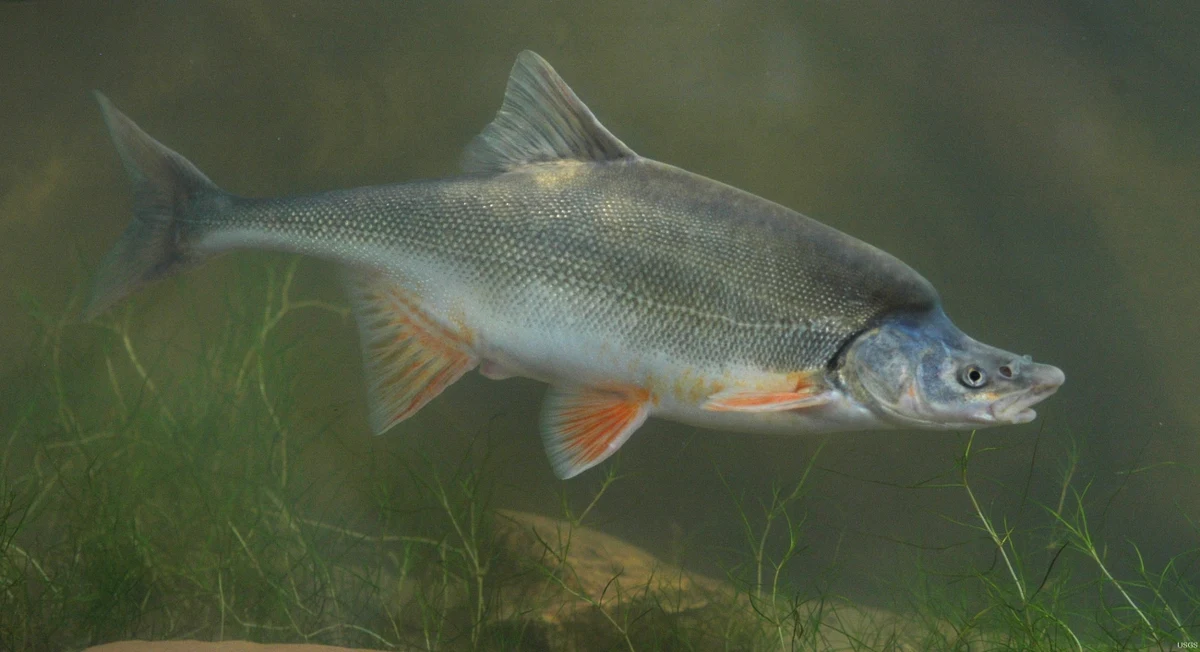
Humpback Chub inhabit the Little Colorado River, the mainstem Colorado River, and Havasu Creek in Grand Canyon. Fish were moved from the Little Colorado River into Havasu Creek to support a reproducing group there. Genetic evidence can help ask whether Havasu Creek fish primarily reflect those translocations or whether a distinct group was present earlier.
A 2025 study found little overall genetic differentiation across the Grand Canyon. It interpreted the unusual signal in some Havasu Creek fish in light of known translocated individuals and their relatives. A 2026 technical report, using a larger and more recent sample, instead identified a distinct Havasu Creek group that it interpreted as evidence of fish present before translocations. The two accounts agree that some translocated fish are represented in Havasu Creek, but differ on the origin of the distinct genetic signal.
Why might the interpretations differ?
The studies examined different collections. The 2025 analysis included a small Havasu Creek sample from 2020; the 2026 report also included many fish sampled in 2024 and found a stronger differentiation signal in that later collection. The studies also used different sequencing and assembly approaches, reference groupings, and methods for describing genetic clusters and relatedness.
Those differences could affect which patterns are easiest to detect and how they are explained. They do not, by themselves, establish which historical account is correct. In particular, genetic similarity and relatedness must be evaluated alongside sample timing, known movement records, and the range of plausible source populations.
What we are doing
We are building a direct comparison of the sample sets, fish movement records, genetic markers, analytical choices, and results. Where the underlying data permit, we plan to test whether key findings persist when samples are grouped consistently, known translocated fish and close relatives are evaluated separately, and the same questions are asked of the 2020 and 2024 collections.
We will distinguish findings supported by both studies from findings sensitive to sampling or analysis, then identify the most useful next data or tests. This could include more temporal sampling, better representation of potential source groups, or analyses designed specifically to test ancestry and relatedness. The goal is a transparent account of what the genetic evidence can and cannot say about Havasu Creek history.
How this could inform conservation
If a historically distinct Havasu Creek group is supported, maintaining its genetic variation may call for different management than if the observed variation largely traces to translocations. A clearer interpretation could inform future fish movement, genetic monitoring, and how Havasu Creek contributes to the representation and resilience of Humpback Chub in Grand Canyon. Management conclusions will depend on the results of the comparison.
Background reading
- Dzul et al. (2025), Genetic structure of an expanding population of Humpback Chub in Grand Canyon · pdf
- Marshall (2026), Genetic evaluation of Humpback Chub (Gila cypha) in the Grand Canyon, technical report.
This comparison is in progress. The page describes questions and proposed tests, not a resolved explanation for the differing results.